Aviation weather in Northern Europe
Long winters dominate the operation: contaminated runways, holdover-time arithmetic, freezing drizzle in the approach and daylight measured in hours rather than a whole working day.
At a glance
| Main hazards | Snow and contamination, Airframe icing, Crosswind, Low visibility, Mountain wave |
|---|---|
| Most demanding season | November – April |
| Thunderstorm season | June – August |
| Representative airports | ESSA · EFHK · ENGM · EKCH · BIKF |
| Official sources | SMHI aviation weather (Sweden) · Finnish Meteorological Institute |
The services linked above are the authoritative source for this region. This page explains what their reports contain; it is not a substitute for an official briefing.
What these hazards mean
Related guides

Winter Operations: De-icing, Holdover Times and Contaminated Runways
Why winter departures collapse into queues, what a holdover time really is, and how a runway condition code changes the numbers a crew has to meet.
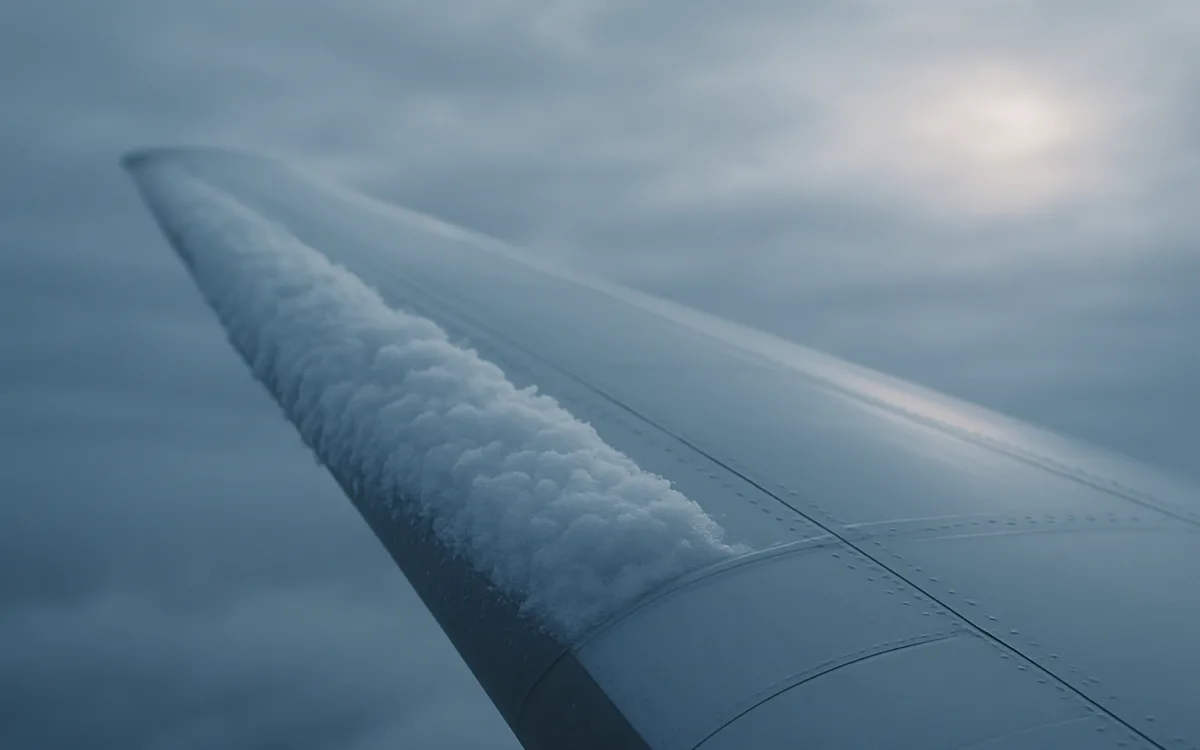
Aircraft Icing Explained: Where It Forms, and Why It Is So Serious
Ice changes the shape of a wing, and a wing is only a shape. Here are the three types, the temperature band that produces them, and what the reports tell you in advance.
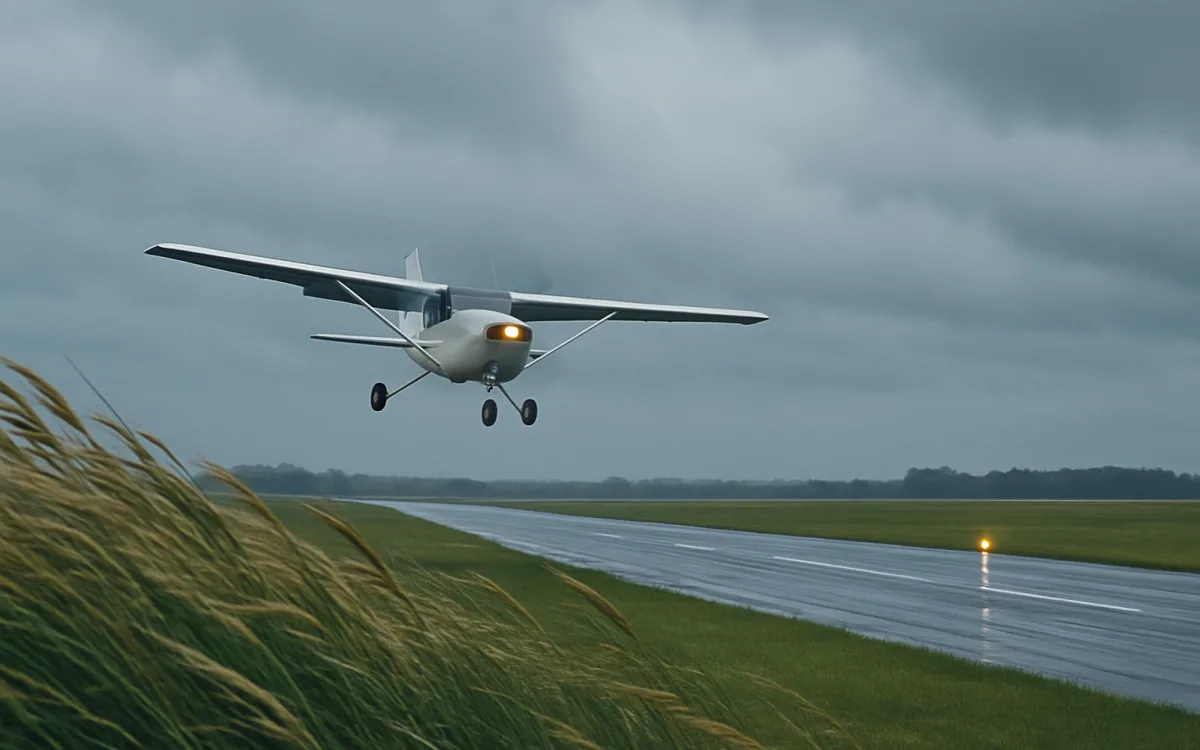
Crosswind and Runway Condition: Turning Wind Into a Number
How to convert a reported wind into a crosswind component, what a demonstrated limit actually is, and why a wet runway lowers the usable figure.