Aviation weather in The North Atlantic and Arctic
Long overwater legs with few alternates, persistent airframe icing in the climb and descent, rapidly deepening lows and an ash risk that has already closed the airspace once in living memory.
At a glance
| Main hazards | Airframe icing, Turbulence, Snow and contamination, Crosswind, Volcanic ash |
|---|---|
| Most demanding season | October – April |
| Thunderstorm season | June – August |
| Representative airports | BIKF · EGPF · CYYR · ENBO · BGSF |
| Official sources | Icelandic Met Office aviation · London VAAC — volcanic ash advisories |
The services linked above are the authoritative source for this region. This page explains what their reports contain; it is not a substitute for an official briefing.
What these hazards mean
Related guides
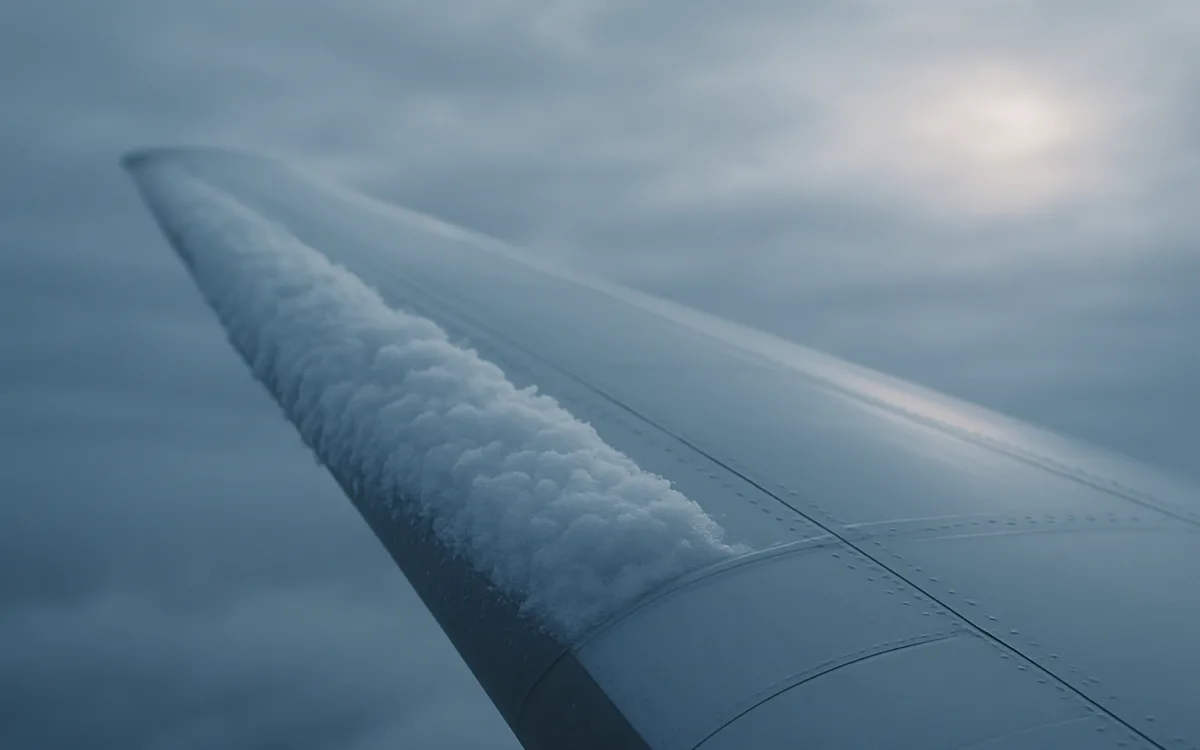
Aircraft Icing Explained: Where It Forms, and Why It Is So Serious
Ice changes the shape of a wing, and a wing is only a shape. Here are the three types, the temperature band that produces them, and what the reports tell you in advance.

Winter Operations: De-icing, Holdover Times and Contaminated Runways
Why winter departures collapse into queues, what a holdover time really is, and how a runway condition code changes the numbers a crew has to meet.

Turbulence: The Four Types, and Which Ones Can Be Forecast
Clear-air, mechanical, convective and wake turbulence come from different causes and are predicted with very different success. Here is which is which.