Aviation weather in Oceania
Mountain wave and rotor over the Southern Alps, roaring-forties wind at exposed coastal airports, summer convection over the Australian interior and morning fog in the southern basins.
At a glance
| Main hazards | Crosswind, Mountain wave, Turbulence, Thunderstorms, Fog |
|---|---|
| Most demanding season | June – September |
| Thunderstorm season | November – March |
| Representative airports | YSSY · YMML · YBBN · NZAA · NZCH |
| Official sources | Bureau of Meteorology aviation (Australia) · MetService aviation (New Zealand) |
The services linked above are the authoritative source for this region. This page explains what their reports contain; it is not a substitute for an official briefing.
What these hazards mean
Related guides

Turbulence: The Four Types, and Which Ones Can Be Forecast
Clear-air, mechanical, convective and wake turbulence come from different causes and are predicted with very different success. Here is which is which.
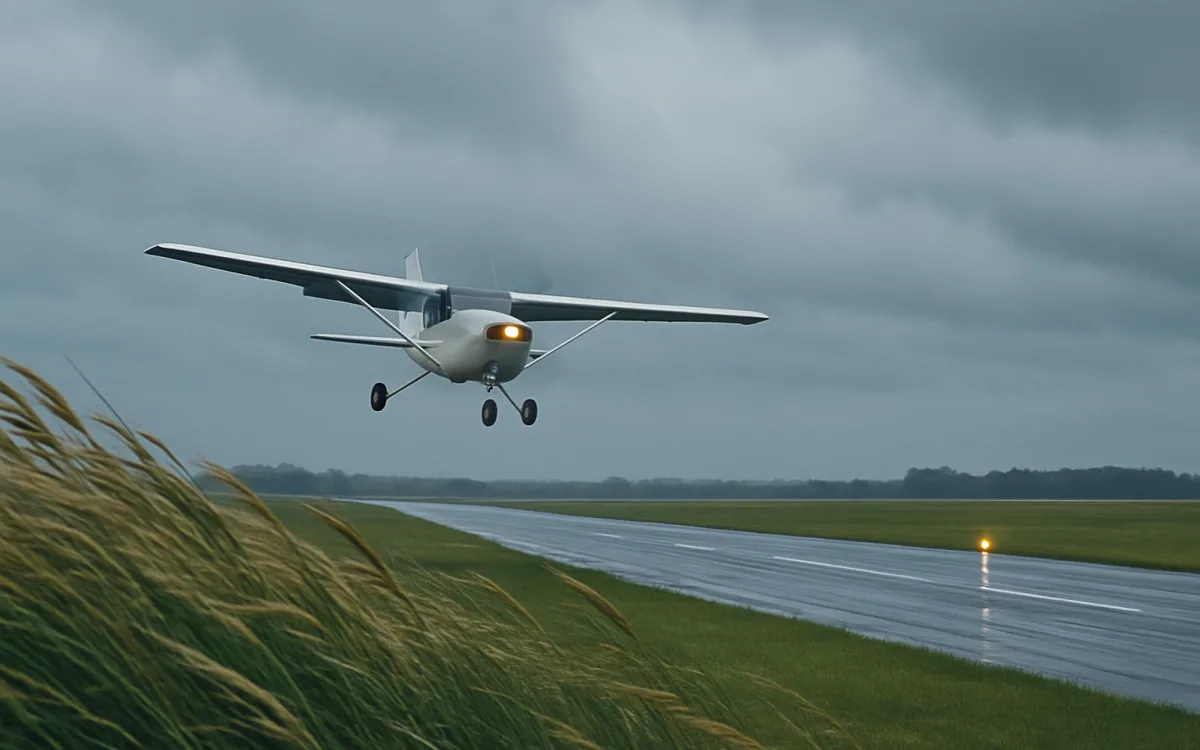
Crosswind and Runway Condition: Turning Wind Into a Number
How to convert a reported wind into a crosswind component, what a demonstrated limit actually is, and why a wet runway lowers the usable figure.

The Preflight Weather Briefing: A Checklist That Works
A briefing is a sequence, not a website. Here is the order that answers the route questions before the aerodrome ones, and the checks people skip.