Aviation weather in Western Europe
A maritime climate whose defining problems are visibility and wind rather than convection: radiation fog at inland hubs, autumn and winter gales that push crosswinds past limits, and low stratus that sits for days.
At a glance
| Main hazards | Fog, Low visibility, Crosswind, Airframe icing, Turbulence |
|---|---|
| Most demanding season | October – February |
| Thunderstorm season | June – August |
| Representative airports | EGLL · LFPG · EDDF · EHAM · EBBR |
| Official sources | Met Office aviation services (UK) · DWD pilot briefing (Germany) |
The services linked above are the authoritative source for this region. This page explains what their reports contain; it is not a substitute for an official briefing.
What these hazards mean
Related guides
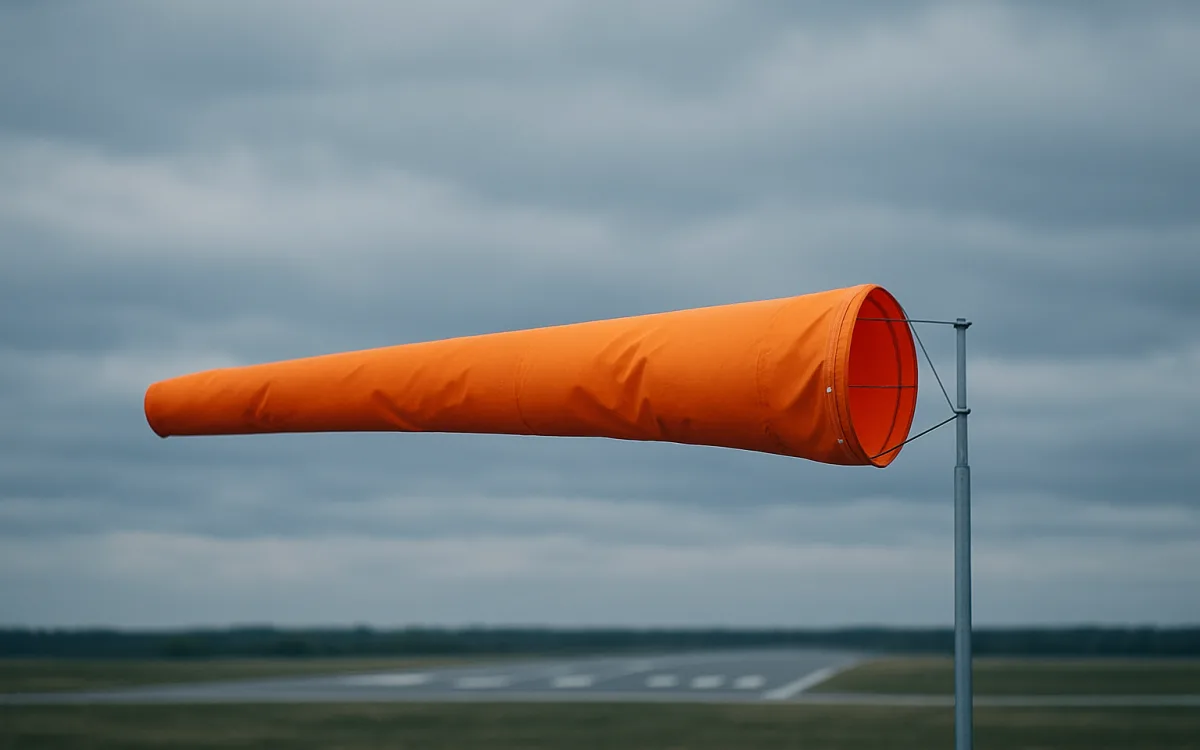
How to Read a METAR: Every Field, in Order
A METAR is one line in a fixed order. Read it left to right and each group answers a different question — here is what each one says and what it decides.
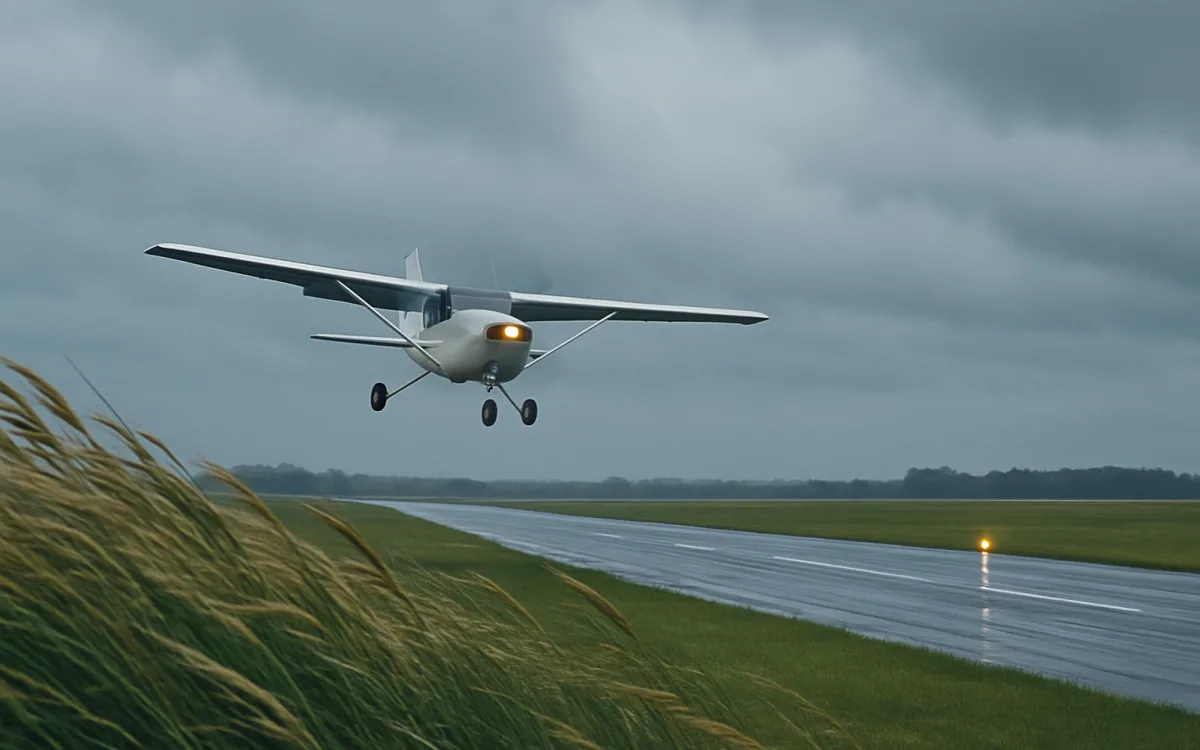
Crosswind and Runway Condition: Turning Wind Into a Number
How to convert a reported wind into a crosswind component, what a demonstrated limit actually is, and why a wet runway lowers the usable figure.

Weather Minimums: What VFR and IFR Actually Require
The difference between VFR and IFR is not skill, it is what the weather allows. Here are the visibility and cloud rules, and where the numbers come from.