Aviation weather in South America
The Andes generate wave and severe mechanical turbulence beside some of the world’s highest airports, while the subtropical plain produces intense summer convection and the region carries a live volcanic ash risk.
At a glance
| Main hazards | Thunderstorms, Mountain wave, Low visibility, Turbulence, Volcanic ash |
|---|---|
| Most demanding season | November – March |
| Thunderstorm season | November – March |
| Representative airports | SBGR · SAEZ · SCEL · SKBO · SPJC |
| Official sources | REDEMET (Brazil) · Buenos Aires VAAC — volcanic ash |
The services linked above are the authoritative source for this region. This page explains what their reports contain; it is not a substitute for an official briefing.
What these hazards mean
Related guides
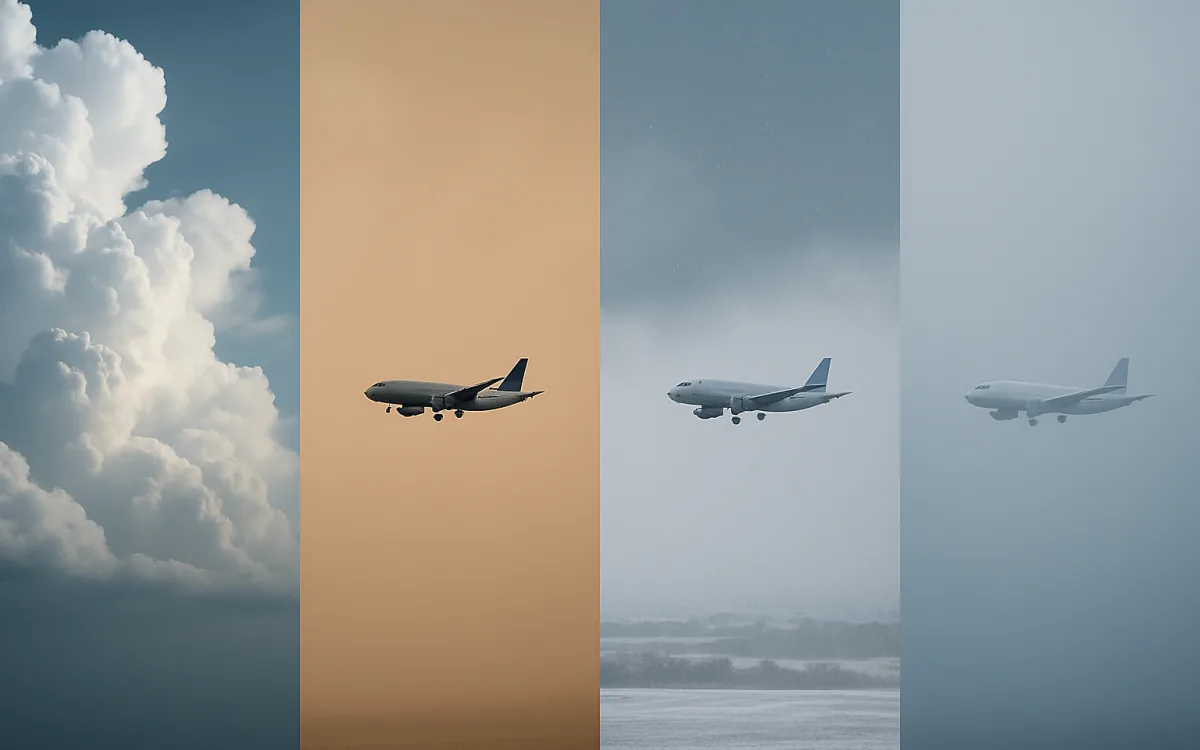
Aviation Weather by Region: What Each Part of the World Briefs For
The same aircraft meets a different set of problems in every part of the world. Here is what dominates each region, when, and which service publishes it.
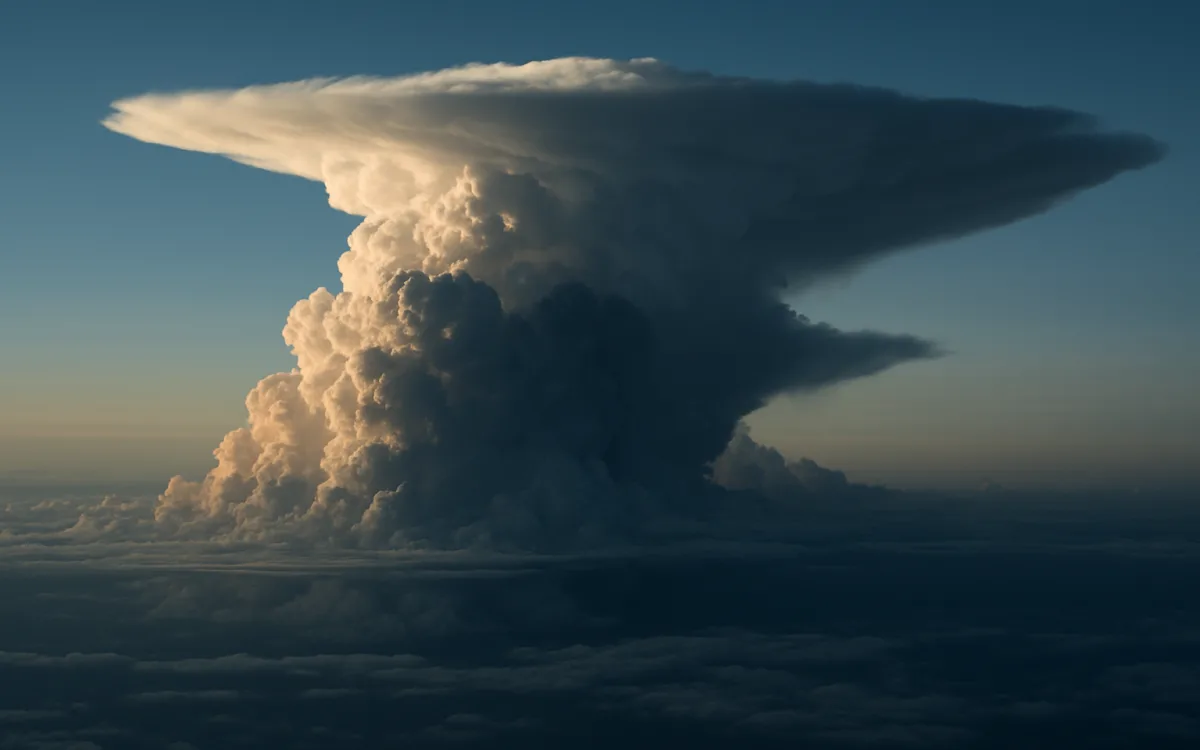
Thunderstorms and Convective Weather: Why Aircraft Go Around Them
A cumulonimbus contains every serious weather hazard at once. Here is what is inside one, how far aircraft stay away, and why the avoidance is lateral.
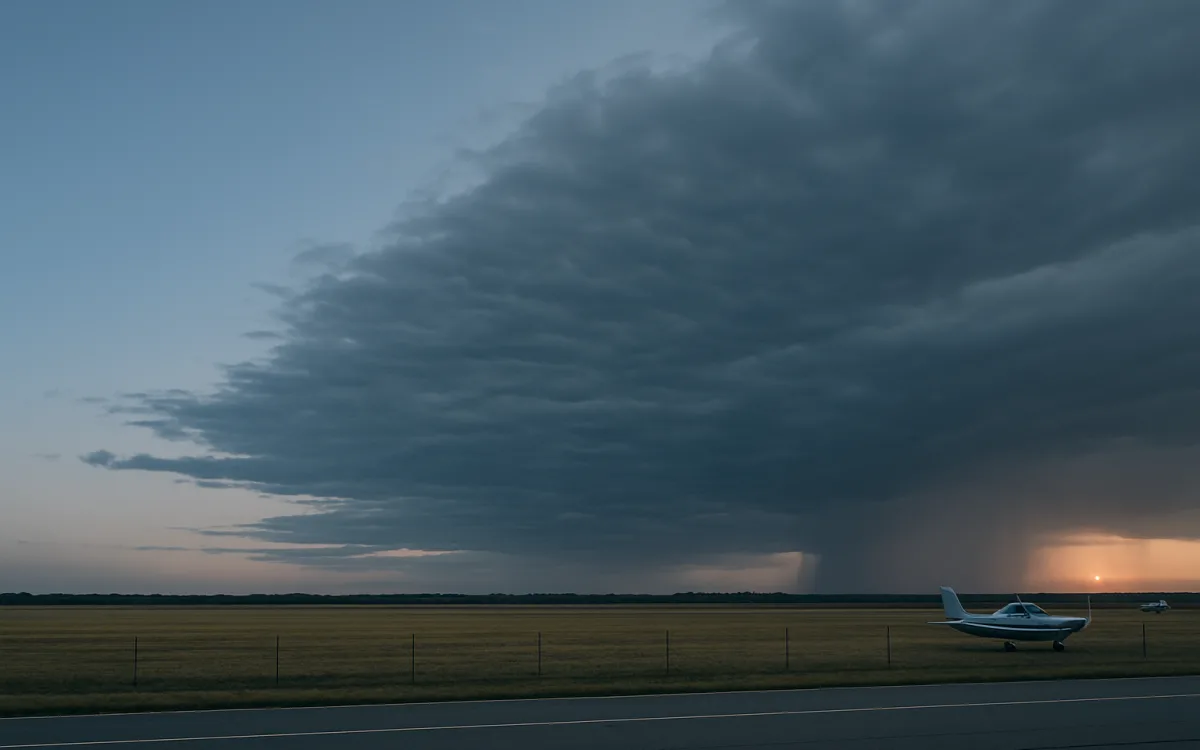
How to Read a TAF: Change Groups, Windows and Probability
A TAF is not a METAR for later. It is a forecast written in change groups — BECMG, TEMPO, PROB30 — and reading it means reading the transitions.