Aviation weather in East Asia
Typhoon season, the strongest jet stream on the planet and the clear-air turbulence that comes with it, plus spring dust transported from the interior across busy northern approaches.
At a glance
| Main hazards | Tropical cyclones, Turbulence, Low-level windshear, Snow and contamination, Dust and sand |
|---|---|
| Most demanding season | July – October |
| Thunderstorm season | June – September |
| Representative airports | RJTT · ZBAA · RKSI · VHHH · ZSPD |
| Official sources | Japan Meteorological Agency · Hong Kong Observatory windshear alerting |
The services linked above are the authoritative source for this region. This page explains what their reports contain; it is not a substitute for an official briefing.
What these hazards mean
Related guides

Turbulence: The Four Types, and Which Ones Can Be Forecast
Clear-air, mechanical, convective and wake turbulence come from different causes and are predicted with very different success. Here is which is which.
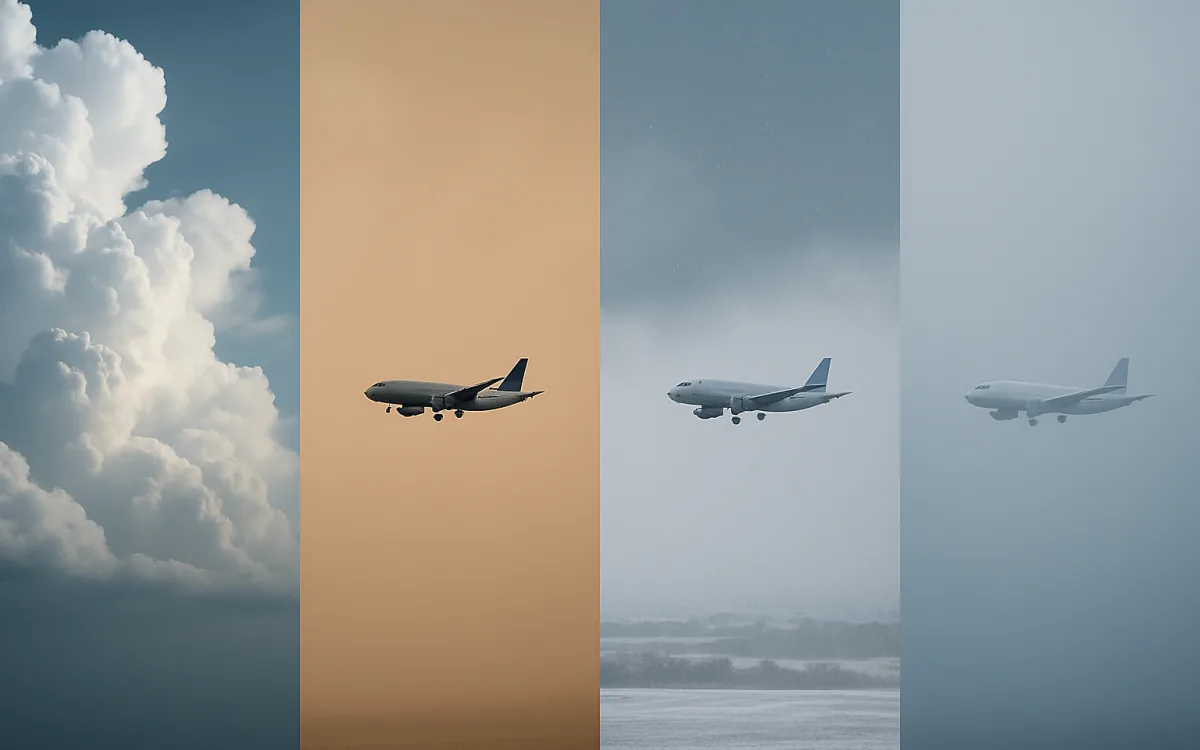
Aviation Weather by Region: What Each Part of the World Briefs For
The same aircraft meets a different set of problems in every part of the world. Here is what dominates each region, when, and which service publishes it.
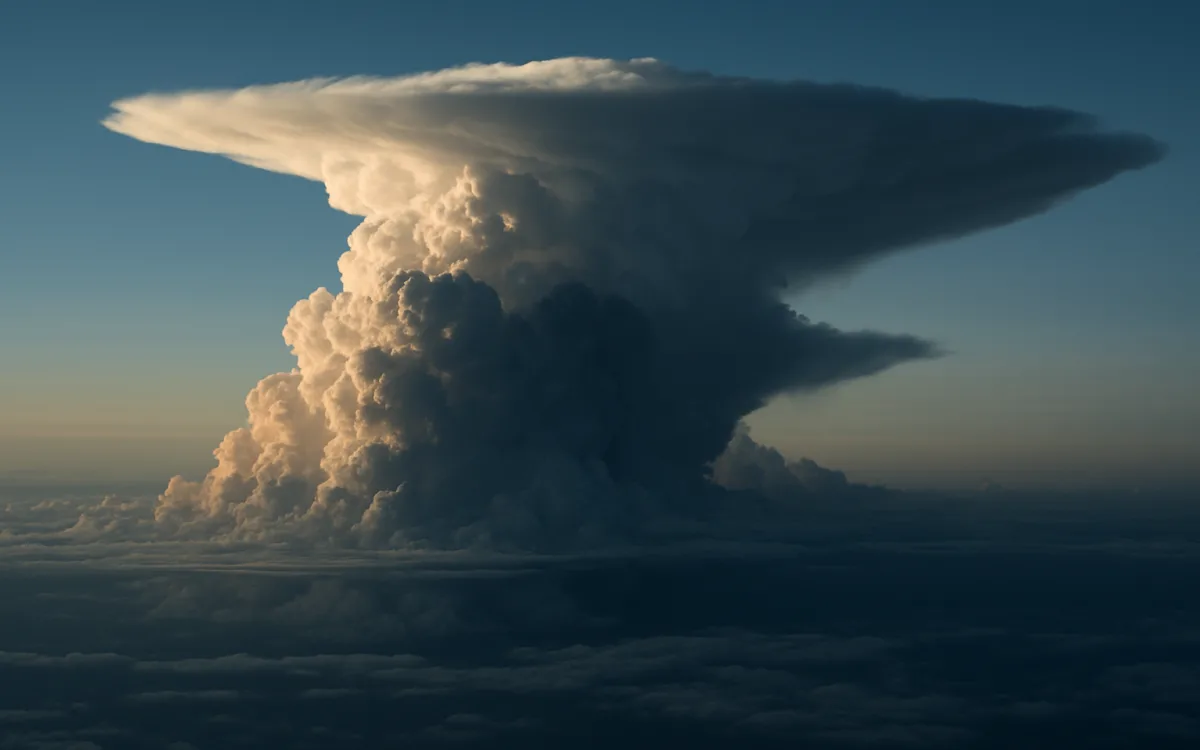
Thunderstorms and Convective Weather: Why Aircraft Go Around Them
A cumulonimbus contains every serious weather hazard at once. Here is what is inside one, how far aircraft stay away, and why the avoidance is lateral.